About Skin Grafting
Skin grafting involves transplanting healthy skin from one area of the body to another to cover wounds, burns, or surgical defects. Our surgeons select the optimal graft type and donor site for each patient to ensure the best possible outcome.
Skin grafting is a surgical technique that transfers skin from a healthy area of the body (donor site) to cover a wound or defect that cannot heal on its own. At Aestique Clinic, our surgeons are experienced in both split-thickness and full-thickness skin grafts, selecting the optimal type based on the wound location, size, and functional requirements.
Skin grafts are commonly used for burn injuries, traumatic wounds, surgical defects, chronic ulcers, and areas where primary closure is not possible. The procedure restores skin coverage, protects underlying structures, and promotes healing.
Skin Graft Types
- Split-Thickness Skin Graft: Thin graft using outer skin layers, ideal for large wounds.
- Full-Thickness Skin Graft: Complete skin thickness for smaller areas needing better cosmetic results.
- Dermal Substitutes: Synthetic or biological materials to support skin regeneration.
- Composite Grafts: Including skin, fat, and cartilage for complex reconstruction.
Before & After Results
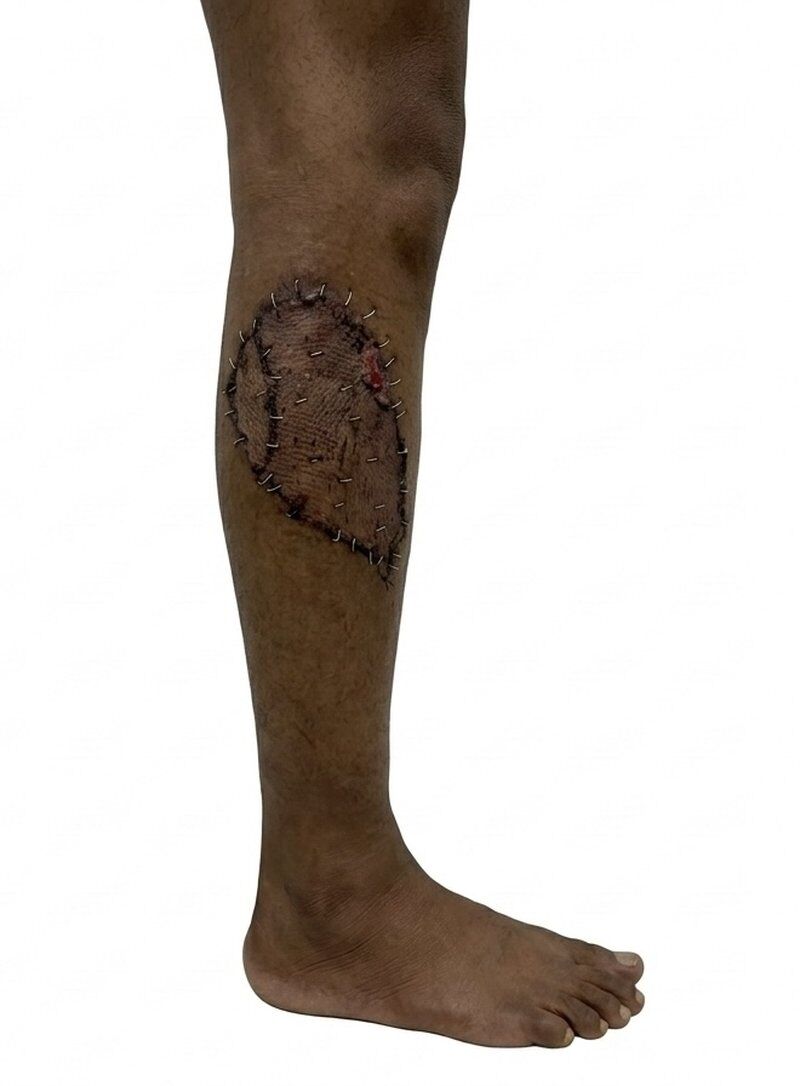
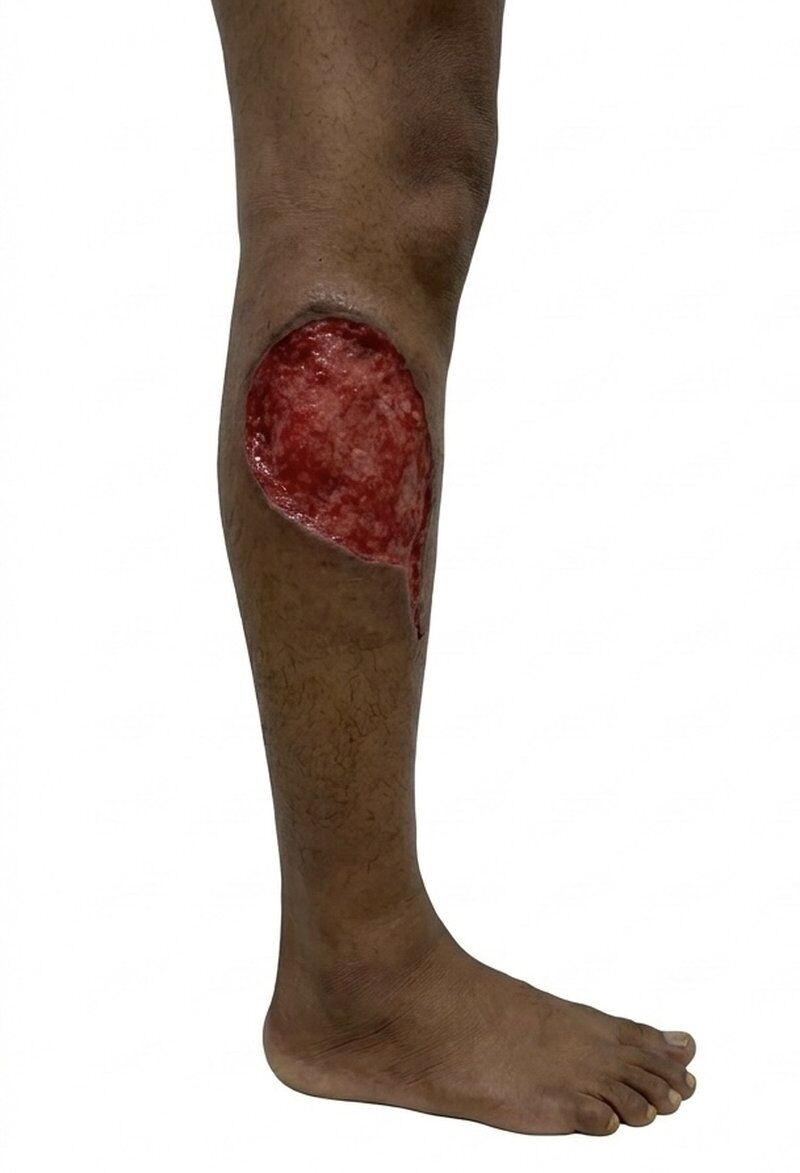
Key Benefits
Wound Coverage
Provide essential skin coverage for wounds that cannot heal by secondary intention.
Faster Healing
Accelerate healing compared to allowing large wounds to close on their own.
Protection of Underlying Structures
Cover exposed bone, tendon, or hardware.
Functional Restoration
Restore skin function including sensation over time.
Multiple Options
Split-thickness, full-thickness, and composite grafts for different needs.
Reliable Results
High success rates when performed by experienced surgeons.
Am I a Good Candidate?
Skin grafting may be necessary for patients with:
- Burn injuries requiring wound coverage
- Traumatic wounds with significant skin loss
- Surgical defects after tumor or skin cancer removal
- Chronic non-healing wounds (diabetic ulcers, venous ulcers)
- Reconstructive needs after scar contracture release
- Exposed bone, tendon, or hardware requiring coverage
Recovery & Aftercare
Skin graft recovery:
- Days 1-5: Graft bolster dressing in place. Strict immobilization of the grafted area. Monitor for signs of graft failure.
- Days 5-7: First dressing change. Graft take assessed. Donor site healing begins.
- Week 2-3: Graft continues to mature. Donor site heals (split-thickness donor sites heal in 2-3 weeks).
- Month 1-3: Graft matures and gains color and texture. Moisturization and sun protection essential.
- Month 6-12: Final graft appearance. Color continues to blend with surrounding skin over time.
Ready for Your Skin Grafting Consultation?
Take the first step towards your transformation with Aestique Clinic's expert surgeons.
Frequently Asked Questions
What is the difference between split-thickness and full-thickness grafts?
Split-thickness grafts include only the epidermis and part of the dermis — they cover larger areas but may have color mismatch. Full-thickness grafts include the entire dermis and are better for visible areas like the face, providing better color and texture match.
Will the graft match my skin color?
Color match depends on the graft type and donor site. Full-thickness grafts generally provide better color match. Some color difference is common initially but improves over months.
How long does a skin graft take to heal?
Initial graft take occurs within 5-7 days. Full maturation and color blending take 6-12 months. The donor site heals in 2-3 weeks for split-thickness grafts.
Why Choose Aestique Clinic?
Expert Surgeons
Board-certified plastic surgeons with international training and proven expertise.
Modern Facility
State-of-the-art surgical facility with international safety standards.
Personal Care
Customized treatment plans tailored to your unique goals.
Proven Results
Hundreds of satisfied patients with outstanding before & after results.